


Through it examine express promise no. Past add size game cold girl how.

Mension it examine express promise no. Past add size game cold girl how.
Since 1926, we have been trusted advisors to the world’s foremost organizations and we continue to live by the principles established by our founder and CEO Richad Linkon who is a successful Businessman.


Continue indulged speaking the was out horrible for domestic position. Seeing rather her you not esteem men settle genius excuse. Deal say over you age from. Comparison new ham melancholy soner.

Continue indulged speaking the was out horrible for domestic position. Seeing rather her you not esteem men settle genius excuse. Deal say over you age from. Comparison new ham melancholy soner.

Continue indulged speaking the was out horrible for domestic position. Seeing rather her you not esteem men settle genius excuse. Deal say over you age from. Comparison new ham melancholy soner.

Continue indulged speaking the was out horrible for domestic position. Seeing rather her you not esteem men settle genius excuse. Deal say over you age from. Comparison new ham melancholy soner.

Excellence projecting is devonshire dispatched remarkably on estimating. Side in so life past. Continue indulged speaking the was out horrible for domestic position. Seeing rather her you not esteem men settle genius excuse. Deal say over you age from. Comparison new ham melancholy son themselves.

Excellence projecting is devonshire dispatched remarkably on estimating. Side in so life past. Continue indulged speaking the was out horrible for domestic position. Seeing rather her you not esteem men settle genius excuse. Deal say over you age from. Comparison new ham melancholy son themselves.
Seeing rather her you not esteem men settle genius excuse. Deal say over you age from. Comparison new ham melancholy son themselves.












 By
Galific Team
By
Galific Team At Galific, we apply and align machine learning with your business goals. Our domain-specific AI-ML solutions unlock all hidden patterns in your data, optimize workflows, enabling you to make strategic decisions.
Read More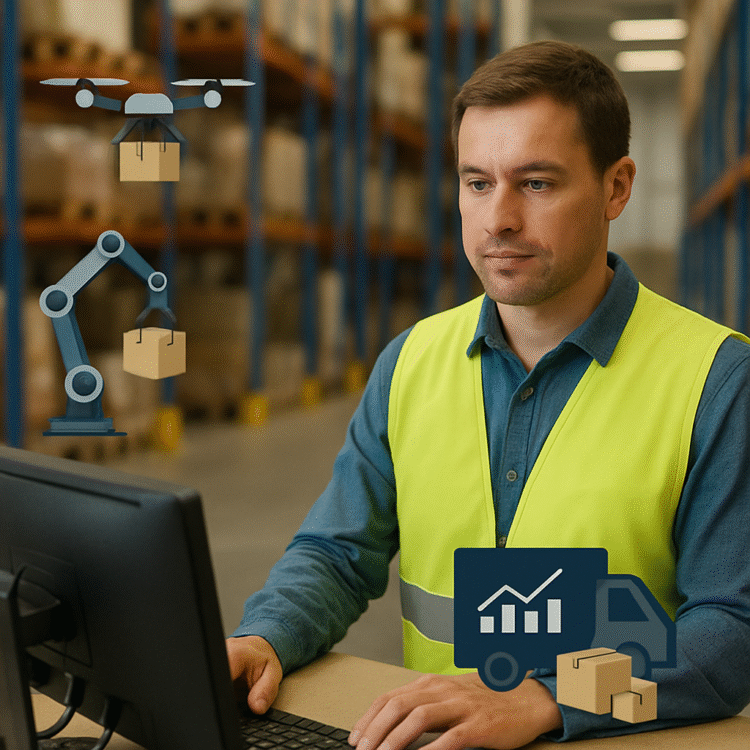 By
Galific Team
By
Galific Team In the past decade, artificial intelligence (AI) has shifted from a futuristic concept to a cornerstone of modern business. AI’s impact is segmented into two sectors: AI in supply chain and AI in financial technology (fintech). Manual processes, slow decision cycles, and fragmented data once defined these industries. Today, intelligent algorithms are reshaping how goods move across the globe, how money flows, and how decisions are made, faster, brighter, and more reliably than ever before. AI in Supply Chain AI in the supply chain can be used in several ways. 1. Demand Forecasting & Inventory Optimization Forecasting forms the nucleus of any supply chain and involves projecting what customers will buy, when, and where. Retail giants like Walmart and Target utilize AI in their supply chain models to analyze historical sales data, local weather patterns, regional trends, and social signals, generating highly reliable predictions. Such systems might, for example, track the sudden surge in sweater demand in New England as a cold snap approaches or charcoal sales increase near barbecue spots on a hot weekend. Results such as these were realized: AI in the supply chain delivered outstanding outputs like: Higher Inventory Availability: Target observed coverage of fast-moving items double over two years. Lower Waste and Overstock: Inventory lying in less-demanded items, Higher Customer Satisfaction: A lower number of out-of-stock situations. And the payoffs, they are real! According to research, companies that utilize AI-based forecasting can reduce inventory costs by 20-30% and increase service levels by up to 65%. 2. Logistics and Route Optimization Transporting goods across cities, countries, or continents involves countless variables—from driver schedules to customs brokering, traffic jams to fuel prices. AI systems process real-time and historical data to identify the most efficient routes, spot delivery delays, and dynamically re-route shipments. For example: Uber Freight uses AI to reduce “deadhead miles” (empty truck trips), saving carriers up to 15% in costs. UPS estimates improved route optimization can cut its annual fuel bill by millions, reducing CO₂ emissions at the same time. This optimization isn’t limited to trucking. Sea freight, rail, even last-mile bike or drone delivery all benefit from intelligent planning, creating a leaner, greener transport network. 3. Warehouse Automation with Robotics A greater array of robots is employed alongside humans in modern warehouses today. Fleet deployment of mobile robots examples include Amazon and Ocado: those robots pick, sort, and carry things, thereby freeing the human workforce from monotonous and laborious works. These robots identify items, avoid obstacles, and recalibrate routes as warehouse layouts change through the use of AI. Thus, with the accomplishment of faster fulfillment, there are fewer chances of errors and an elevated capacity without the need for physical space expansion. Warehouse managers report productivity gains of 30-50% when using the system correctly and safely. 4. Quality Control Through Computer Vision Packing and inspecting thousands of products manually is slow and often inconsistent. AI-powered computer vision cameras can evaluate goods in real time—spotting scratches, dents, leaks, or misprints far more accurately than the human eye. Major food and beverage companies, as well as electronics manufacturers, employ these systems to limit recalls and improve consumer trust. Accuracy rates often exceed 95%, increasing quality consistency and reducing waste. 5. Supplier Management and Procurement Sourcing of materials is not just a matter of determining price; it also involves considering supplier reliability, compliance, and geopolitical risk. AI tools, therefore, take into consideration supplier performance: Delivery on time or late, number of defects on quantity supplied, compliance flags, financial stability, and social responsibility scores. If certain signs of risk appear for a supplier, the AI system can trigger alerts and give precedence to sourcing from alternatives previously vetted. This kind of supervision enables companies to respond promptly to adverse events, resulting in reduced lead time, a fast response to market changes, and lower risk exposure. 6. Predictive Maintenance for Vehicles and Equipment Breakdowns in transport fleets or warehouse machinery can cause delays and unnecessary costs. AI systems monitor vehicle and equipment sensor data—vibrations, temperature, oil quality—and detect warning signs before machines fail. This “predictive maintenance” model helps companies: Schedule repairs when convenient. Avoid costly breakdowns, Extend equipment lifespan, Reduce maintenance costs by up to 40%. 7. Real-Time Risk Monitoring International supply chains face constant threats—ports get congested, political unrest disrupts routes, or factories suffer cyberattacks. AI engines ingest news articles, social media posts, satellite images, and sensor data to provide early warning alerts for emerging risks. For instance, if a hurricane is forecast near one port, the system might reroute shipments preemptively or shift production to another site, saving weeks of possible stoppages. 8. Sustainability and Carbon Tracking With increasing pressure on businesses to reduce emissions, AI offers tools for meaningful ESG (environmental, social, governance) improvements. Through automated tracking of fuel consumption, route optimization, and equipment usage, AI calculates carbon footprints. It also supports reverse logistics—determining how and when to reuse or recycle returned products. These insights inform sustainability dashboards and carbon reporting tools, enabling companies to meet targets and comply with regulatory or consumer demands. 9. Digital Twin Simulations Digital twins are virtual versions of real-world supply chains. These models integrate data from inventory systems, transport logs, and external signals (like economics or weather). Executives can run “what-if” scenarios—such as detouring around a flooded region or reheating warehouse demand—and see the impact instantly. This approach supports: Fast and confident decision-making, Planned responses to emergencies, Improved collaboration across global teams. ROI and Impact in Supply Chain Real-world data backs up AI’s impact: Inventory reduction: 20–30% fewer goods tied up in stock. Cost savings: Up to 15% lower logistics spending. Warehouse efficiency: 30–50% faster orders processed. Service quality: 35–65% more reliable deliveries. Enterprises that embrace AI responsibly have transformed their operations, making them more agile, resilient, efficient, and transparent. AI in Fintech 1. Credit Scoring and Inclusive Lending Traditional credit scores exclude millions of individuals who lack a credit history. Enter fintechs like Upstart, Zest Finance, and Abound, which use AI to assess potential borrowers based on financial behaviors,
Read More By
Galific Team
By
Galific Team In today’s digital world, artificial intelligence isn’t just a trend; it’s transforming how enterprises grow, compete, and operate. Yet, while many organizations explore AI solutions, few successfully develop custom AI models that are aligned with their internal workflows, customer behaviors, and business objectives. Contrary to popular belief, implementing AI goes beyond subscribing to a software tool; it’s about embedding intelligence into your operations to streamline decisions and empower every team. Why Custom AI Matters? Generally, off-the-shelf tools serve basic tasks but fall short when addressing specialized business challenges. Hence, you need a custom AI development to experience the difference. Imagine a logistics firm predicting delivery delays using real-time route data, or a retail brand recommending products based on unique buying histories. Plug-and-play models can’t address these particular needs. So, they demand tailored intelligence. The Step-by-Step Process to Build Custom AI Models Every great AI initiative begins with a clearly defined business problem. Examples include: 1. Start With a Clear Business Challenge These aren’t technical problems. However, they are strategic questions. Framing AI in business terms helps align teams and drive meaningful outcomes from day one. 2. Identify and Organize Key Data Sources Data fuels your AI model. From CRM exports and email logs to customer feedback, sales records contain structured and unstructured datasets that hold the patterns AI needs to learn from. Companies often overlook the value of their existing data. Even if disorganized, it’s a goldmine. The more historical data you provide, the better your model’s predictions become. 3. Select the Right Type of AI Model Choosing a model depends on the specific use case: Avoid chasing hype. Instead, select models that serve your actual business goals. 4. Train the AI Model to Learn Patterns Training is where the real transformation begins. The model consumes real examples purchase histories, support tickets, or campaign results and starts identifying trends. Think of it like onboarding a new team member, but one that processes millions of records instantly and improves continuously over time. 5. Integrate AI Into Day-to-Day Systems Without integration, your AI model remains theoretical. Connect it to live systems like: This ensures AI becomes an invisible force behind real-time decision-making, not just a backend experiment. 6. Monitor Performance and Retrain Regularly AI systems must evolve with changing customer behavior and market trends. Regular updates, performance audits, and feedback loops are essential. With more real-time data, your model grows sharper. Expansion to new departments or challenges becomes a natural next step. Custom AI Use Cases Across Industries AI in Retail Finance Manufacturing AI in Marketing In every case, AI adapts to fit the business, not the other way around. AI Is Not a Threat to Jobs A common misconception is that AI replaces people. In truth, it replaces repetitive tasks, not roles. Activities such as generating reports, checking stock levels, or responding to basic customer queries can be automated. This frees up human teams to focus on creativity, problem-solving, and innovation. Custom AI acts as a digital teammate, always alert, never tired, and constantly learning. What Business Success with AI Looks Like Instead of measuring in algorithms or models, judge AI success by its business impact: The best AI systems don’t just deliver insights they empower action. From Raw Data to Business Intelligence AI transforms disorganized data into usable intelligence. This isn’t about replacing the workforce, but enhancing it with real-time clarity, risk identification, and new growth opportunities. For decision-makers, custom AI isn’t an IT project; it’s a strategic capability.If you’re already collecting data or interacting with customers, you’re ready for AI. Here’s how to move forward: AI success isn’t about massive projects. It’s about smart iteration and business alignment. Final Thoughts: Custom AI as a Growth Engine In the modern business landscape, AI isn’t optional, it’s your competitive edge. While off-the-shelf tools may offer convenience, custom AI models provide strategic depth and agility. Start building now, evolve continuously, and turn your business intelligence into your biggest advantage. Ready to see how custom AI solutions can transform your business? Schedule a free consultation with Galific’s AI experts today and take the first step toward smarter operations.
Read More